What App Onboarding Sequences Reveal About Retention in Strictly Licensed Digital Casinos
Skriven av Avery Klein · 2026-10-01
What App Onboarding Sequences Reveal About Retention in Strictly Licensed Digital Casinos
Strictly licensed digital casinos operate under regulatory frameworks that shape every stage of user interaction, and app onboarding sequences stand out as one area where compliance requirements intersect directly with retention metrics. Operators in jurisdictions such as New Jersey and several Canadian provinces must embed identity verification, responsible gambling prompts, and payment method confirmations into the first few minutes of app use, and these mandatory steps create measurable patterns in how long users remain active.
Core Components of Regulated Onboarding Flows
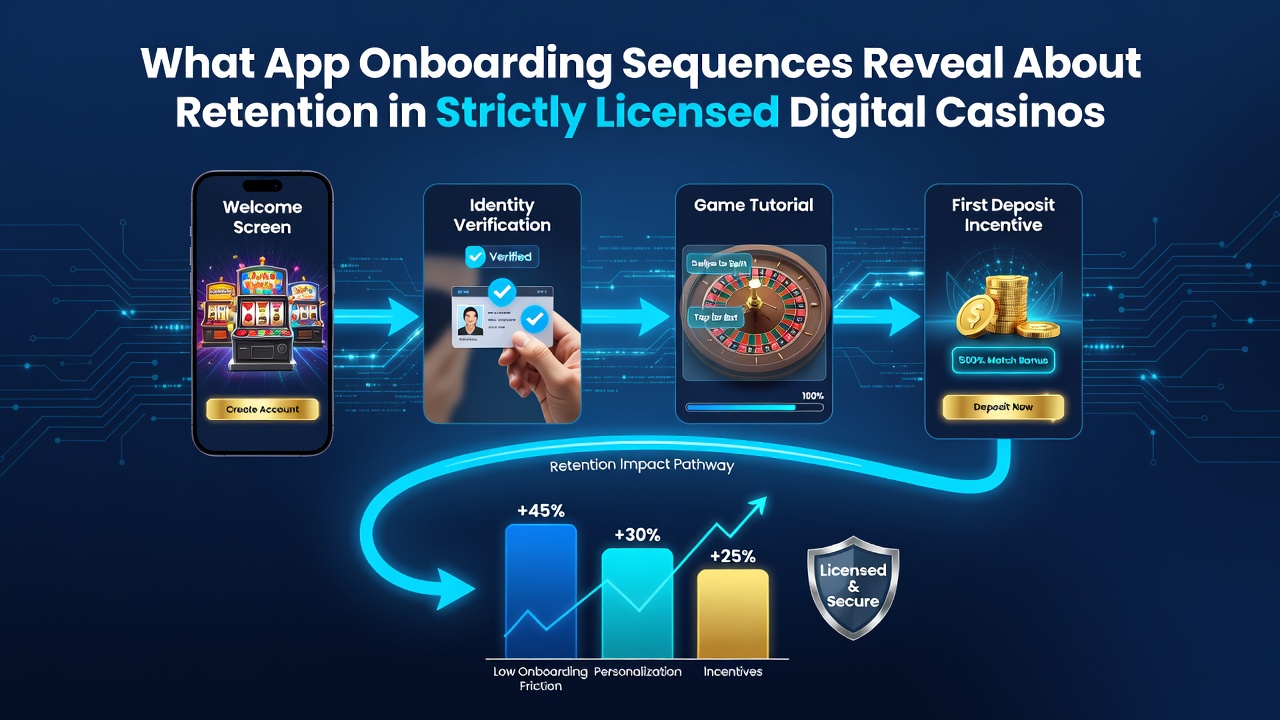
App designers integrate multiple checkpoints during initial setup, including document uploads for age verification, self-exclusion option selections, and deposit limit configurations that regulators require before real-money play begins. Data from the New Jersey Division of Gaming Enforcement shows that sequences incorporating these elements at the outset correlate with higher completion rates when the process finishes within four minutes, whereas longer flows see drop-off rates increase by measurable percentages across quarterly reports. Researchers tracking user behavior note that platforms which combine these checks with clear progress indicators maintain steadier progression through the sequence, allowing subsequent tutorial modules on game rules and bonus terms to appear without interruption.
Payment method integration forms another required layer, where users link accounts through approved processors and confirm transaction limits set by licensing authorities. Observers tracking strictly licensed environments find that onboarding sequences which present these options alongside educational tooltips about transaction times reduce early-stage abandonment compared with sequences that separate the steps into disconnected screens.
Retention Patterns Linked to Sequence Design
Retention data collected across multiple regulated markets indicates that users who complete verification within the first session return at higher rates during the following thirty days than those who encounter delays or additional prompts after initial login. A study released by the Canadian Gaming Association examined activity logs from licensed platforms and found that sequences featuring immediate access to practice modes after compliance steps retained users longer before they transitioned to real-money play. Those platforms also recorded fewer instances of users requesting account closure within the first week, suggesting the structured entry process aligns expectations with actual gameplay conditions.
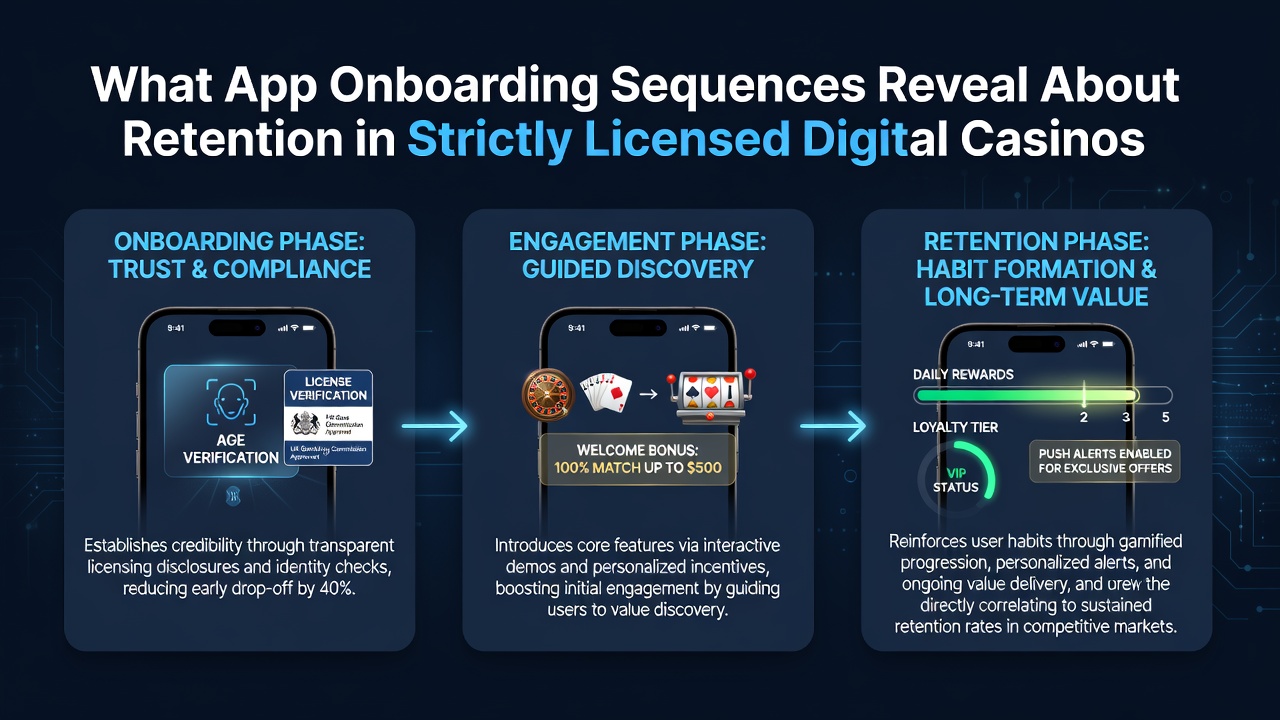
What's interesting is how small adjustments in sequence order affect longer-term metrics. Platforms that place responsible gambling resource links immediately after verification rather than at the end of onboarding show steadier engagement curves through the first month, according to internal platform reports shared with academic researchers. The placement allows users to set boundaries before they encounter promotional content, and this ordering matches regulatory expectations in several North American markets where operators must demonstrate proactive harm-minimization measures.
Regional Variations in Sequence Requirements
Licensing conditions differ across borders, creating distinct onboarding profiles that researchers compare when analyzing retention. In Australian states with strict digital casino rules, sequences must include mandatory cooling-off period explanations before any deposit option appears, while certain European Union member states emphasize data privacy confirmations tied to gambling-specific consent forms. A report from the Australian Communications and Media Authority outlines how these region-specific mandates influence completion times and subsequent login frequency, with sequences that integrate multiple requirements into single screens showing improved retention figures over fragmented approaches.
October 2026 brought updated technical standards in several jurisdictions that required additional biometric confirmation steps within the first onboarding minute, and early compliance data indicates these changes produced modest shifts in session duration without altering overall return rates when platforms optimized the accompanying explanations. Operators who adapted their flows to keep the new steps concise maintained continuity in user progression, whereas those who added separate confirmation screens observed temporary increases in incomplete registrations.
Measurement Tools and Industry Benchmarks
Analytics platforms used by licensed operators track onboarding funnel metrics such as time-to-verification, screen abandonment points, and post-onboarding deposit conversion. These tools generate retention forecasts that operators compare against benchmarks published by trade associations, allowing adjustments to sequence length or content placement based on aggregated performance data. Researchers who examined these datasets across multiple operators noted consistent correlations between streamlined verification paths and higher thirty-day active user counts, particularly when sequences avoided redundant form fields that regulators already addressed through backend checks.
External links to regulatory guidance and academic analyses help clarify how these patterns hold across different licensing regimes. One source from the New Jersey Division of Gaming Enforcement details compliance expectations that directly shape sequence architecture, while another from the Canadian Gaming Association provides comparative retention statistics drawn from provincial operators.
Conclusion
App onboarding sequences in strictly licensed digital casinos function as both compliance mechanisms and retention predictors, with data from regulatory bodies and industry groups demonstrating clear connections between sequence structure and user continuation rates. Patterns observed across North American and Australian markets show that integrated verification steps, responsible gambling tools placed early, and concise payment confirmations contribute to measurable differences in how users engage after initial setup. As technical standards evolve, operators continue to refine these flows while maintaining adherence to licensing conditions that prioritize both security and user clarity.