Regulatory Influences on Game Variety and Security Protocols in Licensed Swedish Casino Applications
Skriven av Avery Klein · 2026-10-15
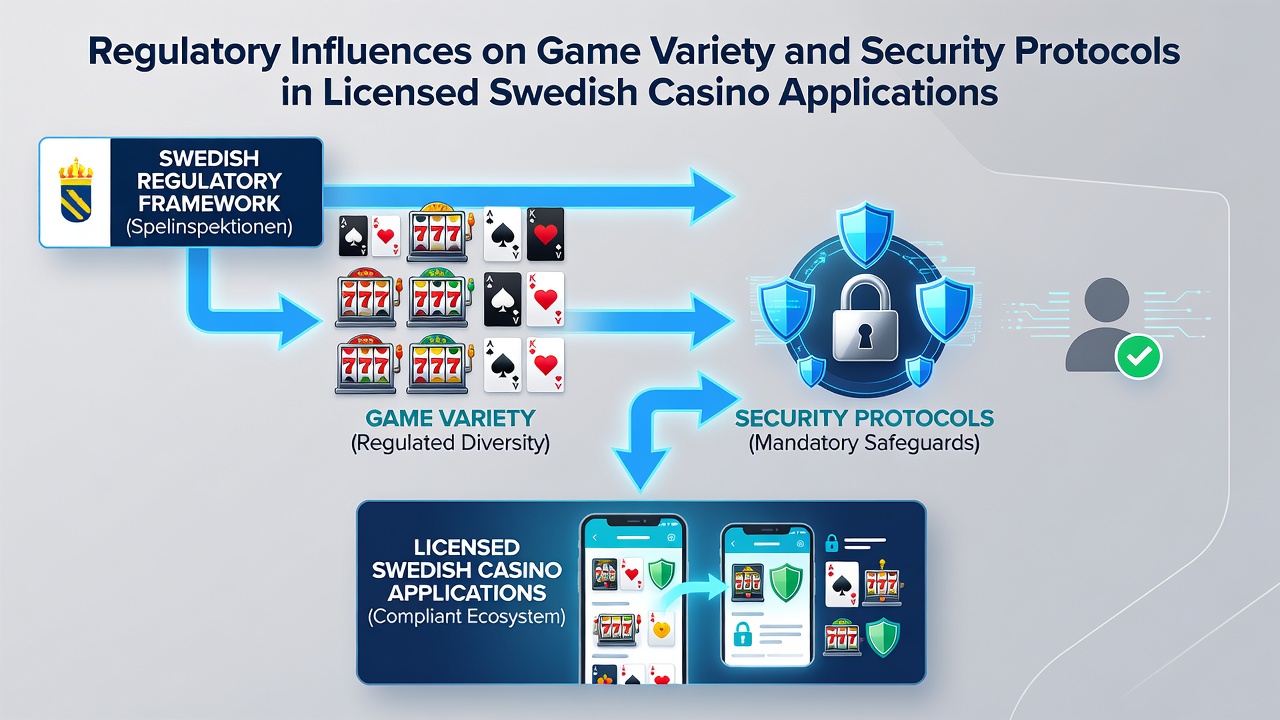
Regulatory Influences on Game Variety and Security Protocols in Licensed Swedish Casino Applications
Swedish gambling regulations shape both the selection of games available in licensed casino applications and the security measures that protect player data, with the Spelinspektionen enforcing rules that operators must follow to maintain their licenses. These requirements create a structured environment where game providers adapt their offerings while developers integrate encryption standards, authentication systems, and audit procedures that align with national standards. Observers note that the framework balances consumer protection with market access, resulting in consistent updates to both variety and safeguards across platforms.
The Swedish Licensing Structure and Its Core Requirements
Operators seeking licenses undergo evaluation processes that examine their technical infrastructure, financial stability, and commitment to responsible gaming features before they receive approval to offer applications to Swedish users. The rules specify that all games must undergo testing for fairness through accredited laboratories, which limits the inclusion of unverified titles and directs attention toward established providers that meet certification criteria. Security protocols receive equal scrutiny, as applicants must demonstrate compliance with data protection laws that include regular penetration testing and incident response plans.
How Regulations Shape Game Selection in Mobile Applications
Licensed platforms present a curated range of slots, table games, and live dealer options because only titles certified under Swedish guidelines appear in the catalogs, and this certification process requires random number generator verification along with payout percentage disclosures that operators publish in their application interfaces. Game variety expands when providers submit new releases for review, yet the process imposes timelines that delay launches compared to unregulated markets. Researchers discovered that this controlled approach maintains player trust while restricting access to certain high-volatility or skill-based formats until they satisfy local criteria.
Data from industry reports indicates that Swedish-regulated applications feature fewer progressive jackpot networks than international counterparts, since jackpot pooling across borders often conflicts with territorial licensing boundaries. And yet the same regulations encourage inclusion of locally themed content and responsible play integrations that appear directly in game menus, creating a distinct catalog profile. People who track these patterns observe that October 2026 marks the scheduled rollout of updated certification modules that will further standardize game testing procedures for mobile formats.
Security Protocols Mandated by Licensing Authorities
Every licensed application incorporates multi-factor authentication for account access along with end-to-end encryption for financial transactions, and these measures stem directly from Spelinspektionen directives that align with broader European data security expectations. Operators conduct quarterly audits through independent firms, and the findings feed into public compliance reports that detail vulnerability remediation timelines. Application developers embed geofencing technology to restrict access outside permitted jurisdictions while also logging user sessions for anti-money laundering monitoring that regulators review during inspections.
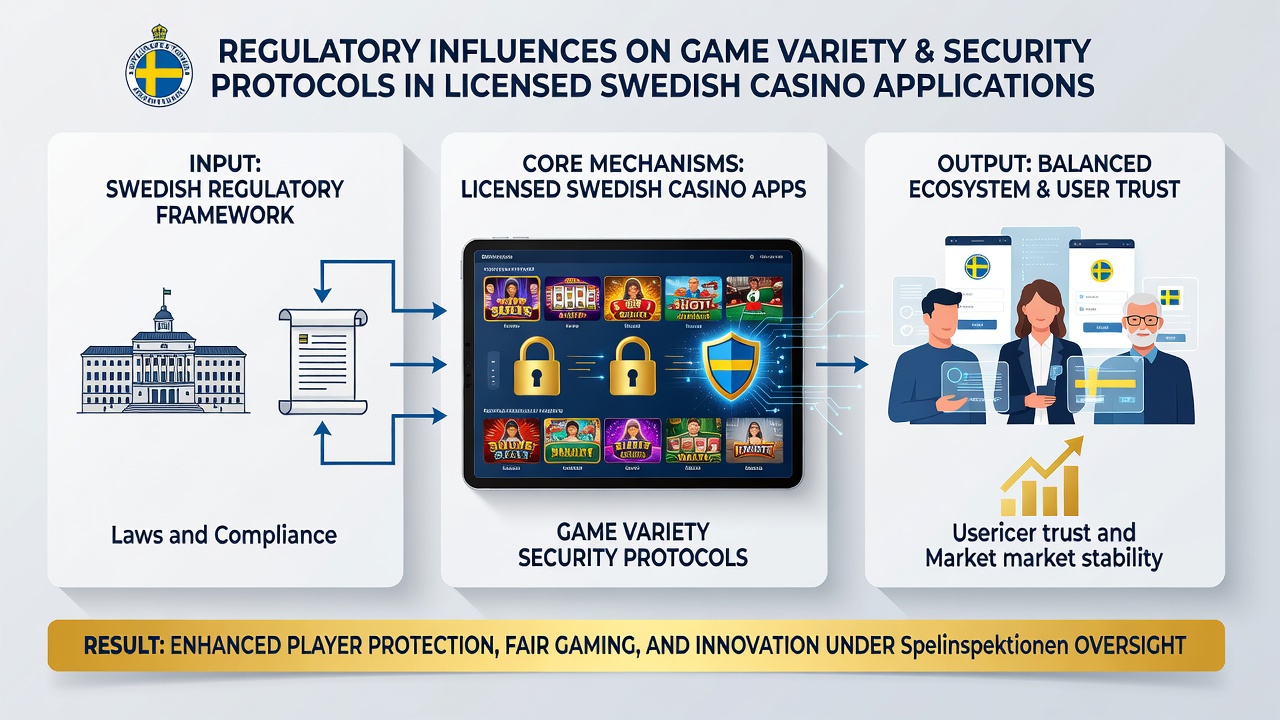
Additional layers include real-time monitoring systems that flag unusual betting patterns and trigger automated restrictions until manual review occurs, which connects directly to the same regulatory push that governs game certification. Those who examine enforcement records find that penalties for protocol lapses range from temporary suspension of specific features to full license revocation, depending on severity and recurrence. This enforcement mechanism encourages continuous investment in security infrastructure rather than one-time compliance efforts.
Interactions Between Game Variety and Security Measures
Developers face simultaneous demands when integrating new games because each title must interface with existing security layers without creating exploitable gaps, and this integration challenge influences which providers gain prominence in Swedish applications. Live dealer streams, for instance, require additional encryption for video feeds and dealer authentication protocols that add complexity compared to standard slot deployments. Studies from the European Gaming and Betting Association highlight how these overlapping requirements lead operators to favor suppliers already experienced with Nordic compliance environments.
Payment method integrations also intersect with both areas, since regulations require that deposit and withdrawal functions support only verified channels while game sessions maintain session integrity throughout. Application updates therefore bundle game additions with security patches on synchronized schedules, which reduces fragmentation but extends development cycles. Figures from the National Institute on Alcohol Abuse and Alcoholism research extensions into digital gambling behaviors show measurable differences in session duration when security prompts appear at regular intervals, though operators adjust prompt frequency to maintain engagement without violating fairness rules.
Compliance Trends Observed Through 2026
By October 2026, updated technical standards will require enhanced API documentation for all game providers connecting to licensed Swedish platforms, and this change aims to streamline both variety expansion and security verification. Operators have already begun preparatory audits to map current game libraries against forthcoming criteria, which may result in temporary removals of older titles that lack compatible security hooks. The shift also introduces mandatory third-party penetration testing for any application handling live dealer interactions, extending existing rules into a new technical domain.
Conclusion
Swedish regulations continue to define the boundaries of game availability and security implementation within licensed casino applications through structured licensing, certification, and ongoing oversight. The resulting environment produces measurable patterns in catalog composition and technical safeguards that operators document in compliance filings. External data sources confirm that these influences extend beyond national borders when similar frameworks appear in neighboring jurisdictions, yet the Swedish model retains distinct characteristics tied to its licensing authority and enforcement practices.