How Casino Comparisons Uncover Connections Between Game Providers and Responsible Gambling Practices in Swedish-Regulated Environments
Skriven av Frankie Russell · 2026-09-03
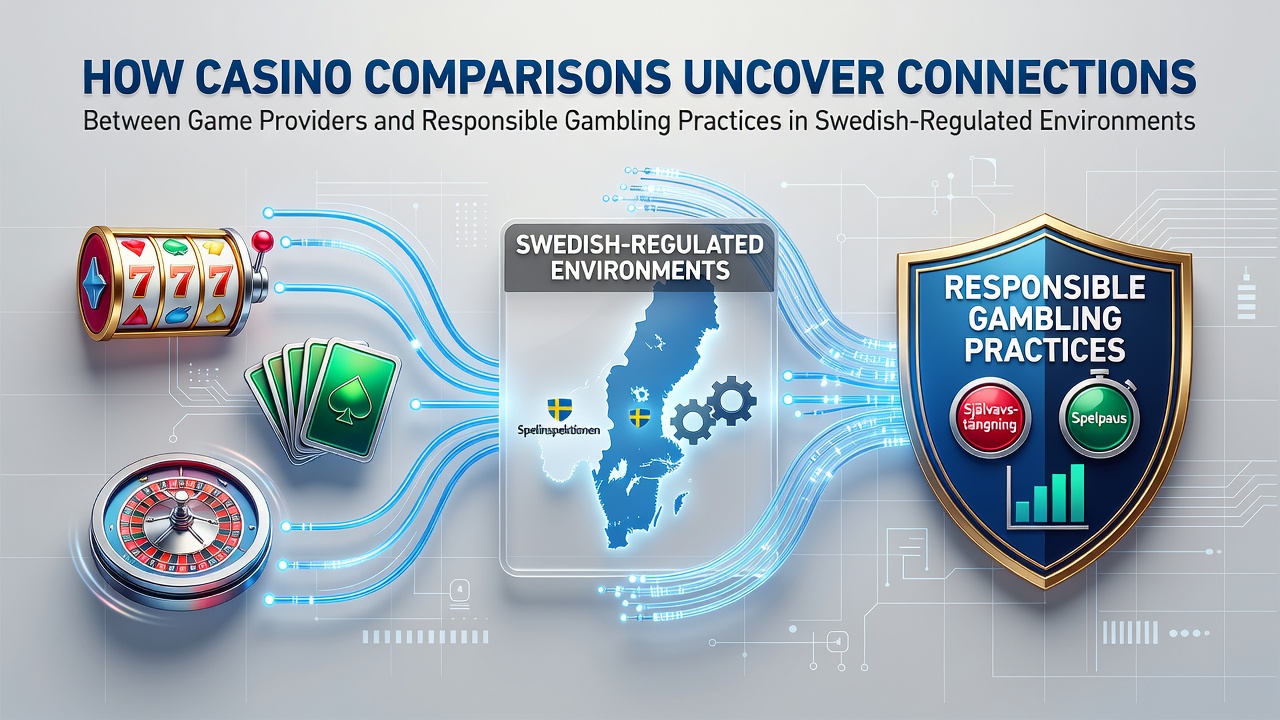
How Casino Comparisons Uncover Connections Between Game Providers and Responsible Gambling Practices in Swedish-Regulated Environments
Comparisons across licensed platforms in Sweden reveal patterns that link specific game providers to the availability and effectiveness of responsible gambling features, and these connections become clear when users examine multiple sites side by side. Swedish operators must comply with Spelinspektionen requirements for player protection tools such as deposit limits, session timers, and self-exclusion systems, yet the implementation of these tools often depends on the technical capabilities built into games by their providers. Data compiled from regulatory filings shows that providers differ in how seamlessly they integrate these safeguards into their titles, which affects player access across the market.
Swedish Regulatory Requirements for Game Integration
Spelinspektionen mandates that all licensed casinos incorporate mandatory responsible gambling functions, and comparisons highlight how game providers adapt their software to meet these standards. Providers supply the underlying code for slots, table games, and live dealer experiences, so their design choices determine whether features like reality checks appear at fixed intervals or whether loss-limit data syncs automatically with operator systems. Research from Nordic gaming oversight bodies indicates that providers with modular architectures enable faster updates when new rules take effect, while older frameworks require more extensive recoding.
September 2026 brought updated compliance guidelines that emphasized real-time data sharing between game servers and central player databases, and platforms using providers with native API support adapted more quickly than those relying on third-party patches. Comparisons of live dealer lobbies before and after that date show increased prevalence of in-game pop-ups from providers who had already embedded the necessary hooks.
Patterns Identified Through Side-by-Side Site Reviews
Observers who review multiple Swedish-regulated sites notice that certain providers appear more frequently on platforms with robust responsible gambling dashboards. For example, providers specializing in video slots often include built-in options for voluntary cool-down periods that operators can activate without custom development, whereas some live casino specialists require additional configuration layers. These differences surface when reviewers track which game libraries correlate with higher usage rates of self-exclusion tools reported in annual transparency documents.
One study of player behavior across 2025 license renewals found that titles from providers offering granular bet-size restrictions showed lower average session lengths on Swedish platforms compared with titles lacking those controls. Comparisons make these correlations visible because reviewers can isolate the same game title across operators and note variations in the responsible gambling menu options displayed to users.
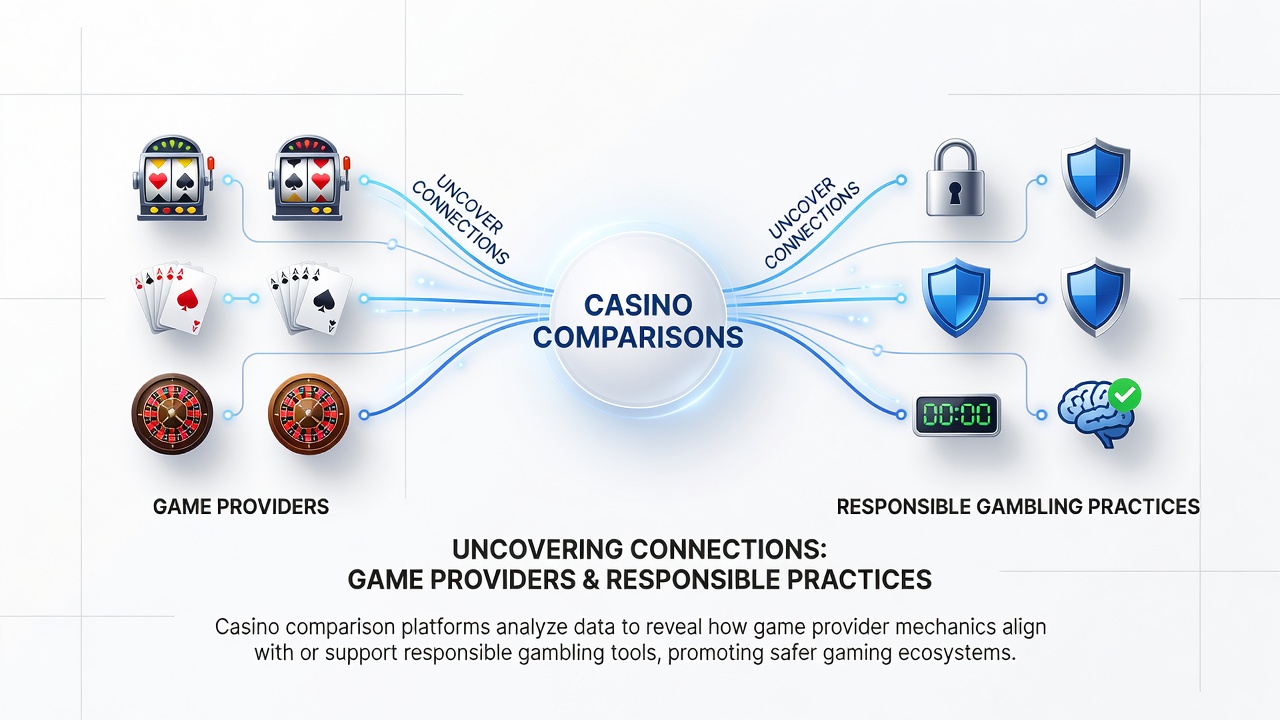
Provider-Specific Tools and Their Visibility
Game providers embed distinct responsible gambling components that comparisons bring into focus. Some suppliers integrate time-tracking overlays directly into the game client, allowing players to view elapsed session time without leaving the title, while others route this information through the operator's separate account panel. Data from industry reports shows that providers with direct integration record higher player engagement with these features on Swedish sites.
Comparisons also expose differences in how providers handle exclusion lists. When a player activates Spelinspektionen's national self-exclusion register, providers with real-time synchronization pause active sessions immediately, whereas providers using batch updates may allow brief continued access. Reviewers tracking these outcomes across dozens of sites document which providers maintain the most consistent response times.
Impact on Mobile and Live Environments
Mobile casino platforms regulated in Sweden present additional variables because screen size and touch interfaces influence how responsible gambling prompts appear. Comparisons reveal that providers optimizing for smaller displays tend to offer collapsible menus for limit-setting tools, which keeps these options accessible during play. Live dealer environments add another layer since real-time interaction with dealers can affect the timing of automated interventions, adn providers that supply both software and studio management show tighter coordination in delivering those interventions.
Figures from European gaming associations indicate that platforms offering games from multiple providers experience uneven adoption of responsible gambling features unless operators standardize their own overlay systems. Side-by-side testing demonstrates that players encounter more consistent protection tools when a single provider supplies the majority of the library.
Conclusion
Casino comparisons serve as a practical method for identifying how game providers contribute to responsible gambling outcomes within Swedish-regulated environments. By examining the same titles across different operators, patterns emerge regarding integration quality, response speed to regulatory changes, and player interaction rates with available tools. These observations, drawn from regulatory data and platform reviews, clarify the technical connections that shape player protection across the market.